What is a digital twin?
A digital twin is a digital replica of a physical asset, process or system. It uses historic and real-time data, such as from connected sensors, and applies AI and advanced analytics, to replicate real-world situations. Its purpose: to improve and provide feedback to the real-life version.
Digital twin technology can be used in a variety of applications and is therefore relevant to all industries and sectors. Whilst the technology is currently in its infancy, we are starting to see a number of exciting (and ground-breaking) applications of it across the globe. From a legal perspective, the question is how this new technology will be regulated and controlled and what risks arise with increased use.
Where are we seeing digital twins being used?
The variety of applications is one of the core benefits of digital twins. However, it also creates one of the biggest problems – how do we regulate digital twins?
Some of the notable examples in progress today are:
- BMW has partnered with US software firm, Nvidia, to create a digital twin of BMW’s factory floor, allowing the optimisation of production time and cost through the digital simulation of paths on the floor.
- Lockheed Martin has also used Nvidia’s platform to create a digital twin of wildfires affecting some areas of California, which has helped analysts better model their predictions and helped firefighters better combat the flames in the physical world.
- In the health care industry, the Dassault Systemes' Living Heart project has created a virtual model of a human heart. The digital twin can be tested and analysed, allowing surgeons to create simulations and replicate real-world "what if" scenarios.
- Nvidia is also building a digital twin of the Earth with the hope of mapping the earth’s atmosphere, oceans and human world to combat climate change.
Legal framework
As we saw (and continue to see) with Artificial Intelligence, there is a lag between the development of new technology, and the pace at which the regulatory and legal framework keeps up with that progress. We suspect the same will happen here - the regulatory framework in which digital twins will operate has not yet been developed, but at some point, governments and the courts will be forced to catch up and put in place the necessary regulatory framework and legislation.
Perhaps even more so than AI, the regulatory framework required for digital twins is going to be difficult to create and even more difficult to enforce.
Risks
It is no surprise that with technological advancements, comes legal risk. We set out below what we consider to be the top 6 risks associated with digital twins:
1. Contractual risk: in the absence of a regulated legal framework, it is even more important that contracts are carefully drafted. Contracts will need to cover the most important risks and clearly allocate liability to the appropriate stakeholders. This will likely be in direct competition with the need for the contract to be flexible and able to adapt to the changing technology.
2. Ownership: linked to the above, one of the most important questions that will need to be addressed is: who owns the ‘digital twin’? This question becomes even more important where digital twins connect and interact with other digital twins, creating a complex and multi-layered system – then who owns each asset, who owns the intellectual property being created and perhaps most importantly, who is liable if something goes wrong? All this will need to be governed by a complex contractual arrangement, likely to be contentious to unravel.
3. Privacy and confidentiality: digital twins harvest a large quantity of real-time data, much of which will be personal data or confidential information. Current data processing rules restrict the non-essential sharing of data, yet digital twins benefit from the sharing of large quantities of data. Users of digital twins must make sure strong data governance procedures are in place to manage and control data sharing.
4. Data-driven decision making: as with AI, digital twins make decisions based on an evolving data set. Data feeding into the digital twin must be accurate, complete and updated to ensure its output is reliable. Unreliable data input risks leading to inaccurate results.
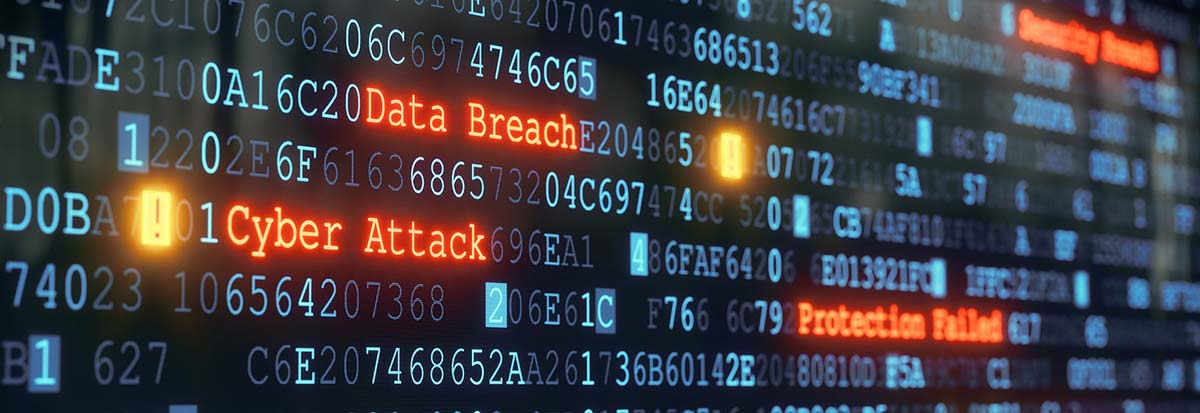
5. Cybersecurity: digital twins store vast quantities of valuable data, making them vulnerable to a data hack or a cybersecurity breach. If businesses wish to create trust and encourage the adoption of digital twin technology, appropriate safeguards and security systems must be put in place and must be regularly updated to evolve with the technology.
6. Cross-border data sharing: digital twins may source data and interact in multiple different jurisdictions. In these cases, which regime is applicable? In the absence of any regulatory framework, let alone a common global framework, cross-border data sharing adds another level of complexity to an already complex risk profile.
Conclusion
There is no doubt that the adoption of digital twins has the potential for exponential gains in productivity and efficiency. In today’s difficult economic circumstances, businesses may see digital twins as a way of driving efficiencies to protect their margins against the effects of rising costs elsewhere.
However, as is always the case with nascent and exciting technology, the opportunities should not obscure the potential risks, which have the potential to diminish any savings made. Whilst we have highlighted some of those risks above, others may not emerge until the technology is more embedded and widely used.
Businesses looking to invest in digital twin technology should ensure that the value of their investments is protected, by carefully negotiating the contractual structure that is put in place. That documentation should envisage what could go wrong and who will be liable if it does. Attention should also be given to the dispute resolution provisions of the contracts – what will the forum of any dispute be, and what law will govern it?
Our team of experts are already advising on these issues and would be happy to assist with any enquiries. Please contact Alex Brown, Hinal Patel, Jayne Bentham, Jack Rossiter, Jonathan Schuman, Vanessa Sharman.



.jpg?crop=300,495&format=webply&auto=webp)
_11zon.jpg?crop=300,495&format=webply&auto=webp)







.jpg?crop=300,495&format=webply&auto=webp)