COP28: 5 things to watch
As we fast approach the finish line for 2023, COP28 which begins in a couple of days in Dubai, provides a perfect chance to end the year with a climat(e)ic win. Like any race worth running, the stakes are high. A timely UN Emissions Gap Report 2023 warns us that our carbon cutting efforts fall short of meeting a net zero pathway and instead take us on the rocky road of 3°C warming by the end of the century.
Whilst some are sceptical of COP28, the stakes are too high to sit at the side-lines. This COP, as with those before, offers an opportunity for action and impact. To warm you up for the coming weeks of updates, we’ve pulled together 5 themes to keep an eye on when navigating the conference either in person or remotely.
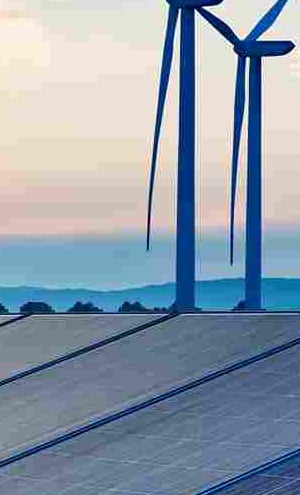
Race for Renewables
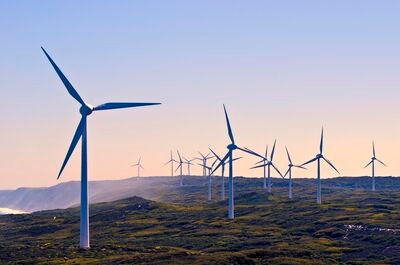
Recent announcements from China and the United States underscore a shared commitment to expand clean energy and support efforts to triple global renewable energy capacity by 2030. Achieving COP28's environmental protection goals demands a shift in the global energy mix, replacing a substantial proportion of traditional carbon-emitting energy production with renewable alternatives.
The race for renewables is on with marked increase in the development of photovoltaic solar power, onshore and offshore wind power, hydrogen and other renewable energy projects. Key developments driving this pursuit include:
- Advancements in Offshore Wind: Enhanced turbine technology plus improved track record in engineering, design, financing, construction and operation of offshore wind projects boost greater acceptance of associated risks.
- Adoption of Carbon Capture, Utilisation and Sequestration (CCUS): Improved technology and efficiency and a growing track record and market acceptance enhance the appeal of CCUS in reducing carbon emissions in oil and gas production and gas-fired power projects.
- Progress in Battery Energy Storage Systems (BESS): Enhanced battery technology and improved project economics will undoubtedly support increased investment in BESS as a critical component in large- and medium-scale solar power projects.
- Growth in Green Hydrogen: Increased use of renewable energy to produce “green” hydrogen, serving as a key input for ammonia production and fuel cell batteries for electric vehicles. Green hydrogen stands as an effective method for storing renewable energy and will likely be a topic of discussion during COP28.
Carbon Markets
The Article 6.4 Supervisory Body has concluded its draft recommendations on the divisive issues of carbon dioxide removals and methodologies ahead of COP28. The wide set of documents produced by the Supervisory Body will now go to the CMA (Conference of the Parties serving as the meeting of the Parties to the Paris Agreement) to be considered for approval. In these documents, the Supervisory Body does not exclude any removal activity types or technologies, and also places emphasis on continued monitoring beyond the end of active crediting periods, with proof of negligible risks of carbon removal reversals required before participants can submit requests to end monitoring. The draft recommendations have also proposed an avenue for punishing avoidable reversals using the “buffer pool” – a mechanism set up to insure against and remedy unavoidable reversals.
Attention now shifts to the CMA sessions of COP28, where these draft recommendations will be discussed and countries will look to iron out many of the outstanding issues. Key sticking points in negotiations are expected to be about ensuring transparent reporting on credits, the definition of removals, eligibility of activities that reduce emissions from deforestation and forest degradation in developing countries (REDD+), and the details surrounding methodologies.
The operationalisation of Article 6.4. is eagerly awaited by project developers interested in tapping into its potential, and the higher prices that are expected to accompany it. Quality concerns regarding the lack of standards, regulations, and rigour in the voluntary carbon market has caused a sharp decline in the pricing of voluntary carbon credits in the past year. Therefore, the clarification of rules and the effective operationalisation of Article 6.4 under UN supervision will hopefully lead to trust being regained from investors and buyers, opening up fresh demand for credits.
Finance
Blended Finance is expected to be a key topic of discussion at COP28. We anticipate that the discussions will focus on how development finance institutions can collaborate with private capital to address the challenges of energy transition in emerging economies. Key issues, including risk mitigation, collaboration among the different types of finance parties, impact measurement, and structuring financial instruments to attract private investment in sustainable development, climate action, and social impact projects are likely to be firmly on the agenda.
Climate finance is also set to take centre stage, with discussion revolving around reinforcing commitments and exploring the intricacies of supporting climate vulnerable regions alongside facilitating cutting edge green technology. Strengthened legal commitments to climate finance could incentivise increased industry investments in climate resilient projects, aligning financial practices with the UN Sustainable Development Goals.
Importantly, as this COP will be held in the Middle East region, we also believe that Islamic finance is set to carve its niche. We expect discussions on how Islamic finance, grounded in ethical principles and socially responsible investment can seamlessly integrate into the global climate finance landscape. As the market and legal frameworks evolve to accommodate Islamic finance principles, we are likely to see this type of financing used across different developing markets including in Africa.
Climate justice, adaptation and loss and damage is on the agenda
COP27 in Cairo firmly put climate justice, climate adaptation and financing for loss and damage firmly onto the international climate agenda for COP28 this year.
A key theme to watch out for in the coming weeks is the Bridgetown Initiative, which calls for reform of the global financial architecture in order to tackle the debt crisis faced by developing countries and to support those countries in response to climate change and climate impact. Calls for reform have seen momentum given their spotlight at the Summit for a New Global Financial Pact in Paris and the Africa Climate Summit in Nairobi earlier this year.
In addition to calls for institutional reform, there will be a spotlight on increasing financing for climate adaptation and loss and damage. The loss and damage fund was created during COP27 and a transitional committee was tasked with operationalising the fund in advance of COP28. In November, the committee agreed on a proposal to be tabled at COP28, which includes provisions that the fund will be hosted by the World Bank on an interim basis and finance would be raised on a voluntary basis. Many will be watching whether final agreement will be reached on this important yet contentious area of negotiation. There will also be continued pressure for parties to meet their adaptation finance commitments, with the COP Presidency explicitly calling for the “urgent deliver of the long-overdue $100 billion” of annual funding commitment to help developing countries in adapting to climate change.
New dawn for nature
COP28 is set to build on the commitments made at a similar time last year at the UN Convention on Biological Diversity (COP15), where 196 countries agreed to the historic Kunming-Montreal Global biodiversity framework to effectively conserve at least 30% of global land and oceans. COP28 will likely hold further commitments by countries for nature, including the halting and reversing of deforestation, greater recognition for nature-based solutions in mitigating climate change, and the phase out of destructive agricultural practices.
Keep an eye out for advocacy relating to oceans and blue ecosystems, as we expect the Dubai Ocean Declaration will garner support and cast a spotlight on the important role oceans play in mitigating and adapting to climate change.
Maybe the most exciting thing to watch out for, innovative finance solutions to preserve nature, including discussions around debt-for-nature swaps, green and blue bonds and nature credit markets. As the conference unfolds, keep a particular eye out for the nature agenda on the 9 December, the official day for Nature, Land Use and Ocean.
Survey reveals a new mindset from leading businesses
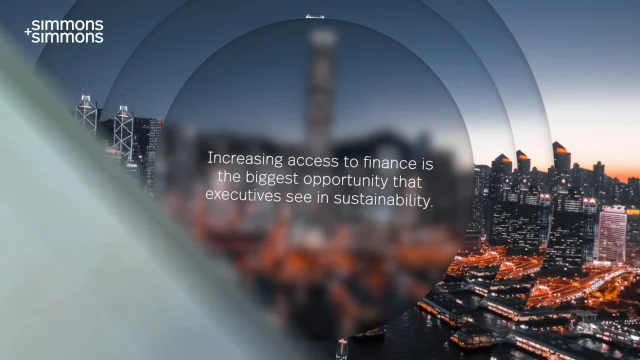
In a global survey spanning industries and geographic regions, we sought to unravel how businesses and investors are unlocking capital and creating opportunities that serve both profit and planet.




.jpg?crop=300,495&format=webply&auto=webp)
_11zon.jpg?crop=300,495&format=webply&auto=webp)




_11zon.jpg?crop=300,495&format=webply&auto=webp)

.jpg?crop=300,495&format=webply&auto=webp)